
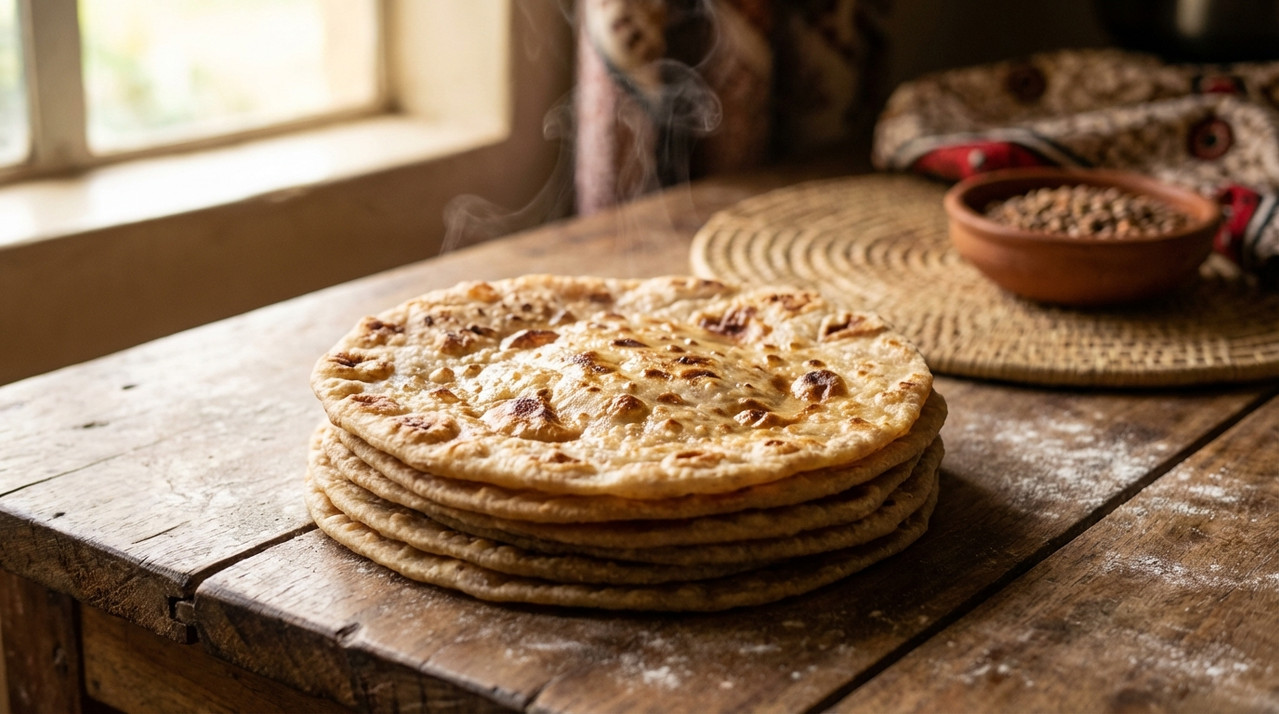
Chapati Recipe | Fluffy Kenyan Flatbread (No Dry Batches)
Every Sunday morning at my aunt’s house in Nairobi, the kitchen would fill with the soft hiss of dough hitting a hot griddle. I’d watch her roll the balls of dough into perfect circles, then watch them puff up like little clouds when they hit the pan. The smell—warm wheat, a hint of butter, and a whisper of the highland air—still feels like a hug when I think about it.
Chapati isn’t just food; it’s the everyday rhythm of Kenyan homes. My grandma used to say the secret is in the water—just enough to bring the flour together without turning it into a sticky mess. If your flatbreads turn out tough, it’s usually because the dough was over‑worked or the heat was too low. A quick fix? Let the dough rest for ten minutes before rolling; it relaxes the gluten and gives you that pillowy bite.
Here’s the thing I love about chapati: it’s flexible. You can eat it plain with a cup of tea, tear it into stew, or stuff it with beans and veggies for a quick lunch. No fancy tools, no exotic ingredients—just flour, water, a pinch of salt, and a little patience.
Alright, let’s get our hands a little floury and make some of that home‑cooked comfort.
Instructions
- Mix the flour and salt in a big bowl. Make a well in the center and pour in the warm water (and oil, if you’re using it).
- Stir with a fork until everything comes together, then knead with clean hands for about two minutes until the dough is smooth and not sticky. If it feels dry, add a splash more water; if it’s too wet, sprinkle a bit more flour.
- Cover the bowl with a damp cloth and let the dough rest for ten minutes. This makes rolling easier.
- Divide the dough into four equal balls. On a lightly floured surface, roll each ball into a thin circle—about six inches across.
- Heat a non‑stick skillet over medium heat. Cook each chapati for 30‑45 seconds on each side, until you see tiny brown spots and the bread puffs up a little. Flip once and cook the other side.
- Brush lightly with a dab of oil if you want extra softness, then keep the cooked chapati wrapped in a clean kitchen towel to stay warm until you’re ready to serve.
Comments